Showing posts with label Wayfinding Signage. Show all posts

Sunday, January 19, 2025

The Importance of Wayfinding Signage: Guiding People with Purpose


Wayfinding signage is an essential part of our daily lives, yet it often goes unnoticed unless it's done poorly. Whether we’re navigating a sprawling airport, a large hospital, or even a busy shopping mall, effective wayfinding helps us find our way efficiently and stress-free. In this post, we'll explore what wayfinding signage is, why it's crucial, and how to design it to ensure clarity and effectiveness.

What is Wayfinding Signage?

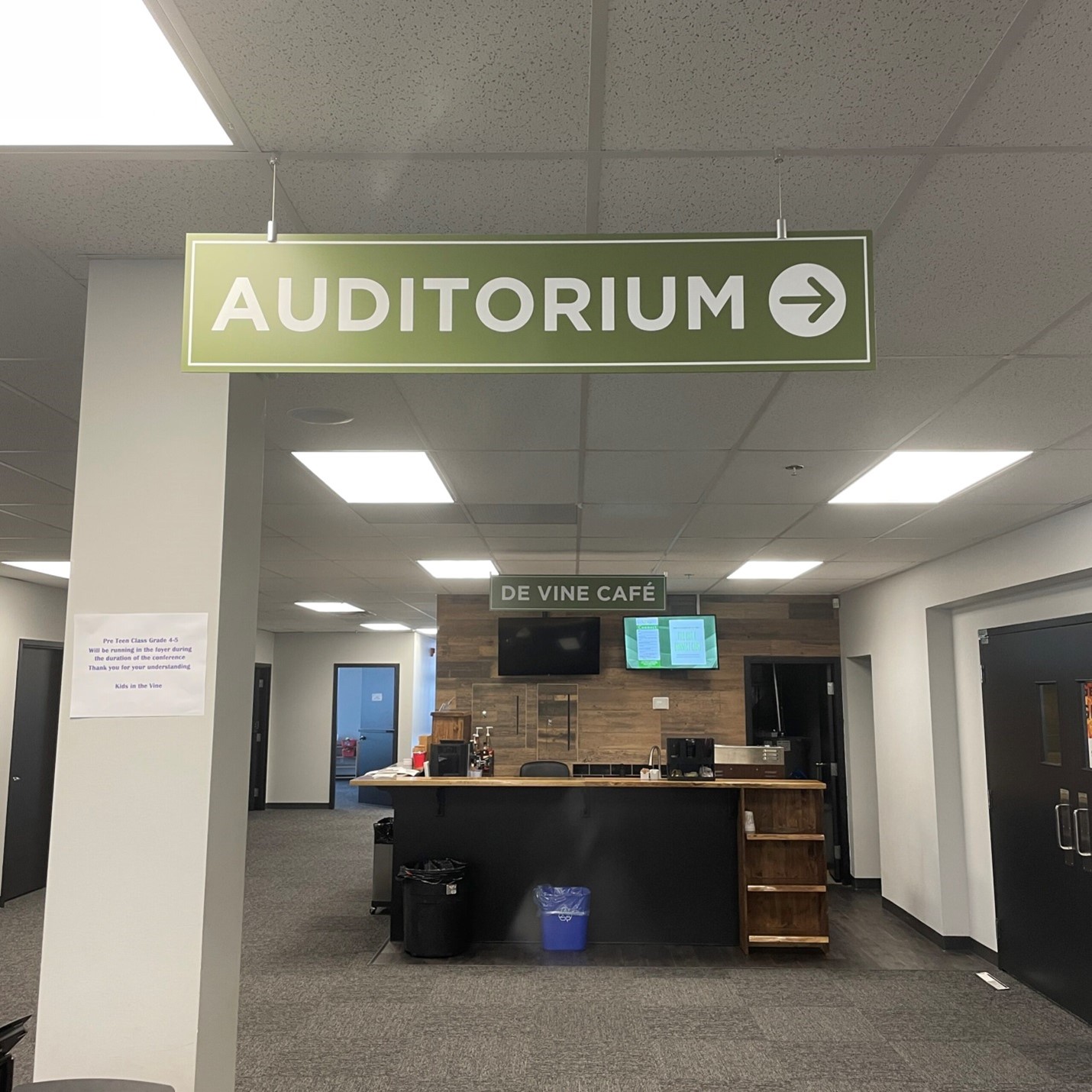
Wayfinding signage refers to the system of signs, symbols, maps, and other visual cues that guide people through physical spaces. It’s the tool that helps visitors understand where they are, where they need to go, and how to get there. This type of signage can include directional arrows, floor directories, informational signs, room numbers, and exit signs. Essentially, wayfinding is about helping people navigate spaces intuitively and easily, reducing confusion and improving the overall experience.

Why is Wayfinding Signage Important?

1. Enhanced User Experience

Good wayfinding signage plays a pivotal role in creating a positive experience for visitors, employees, and customers. When designed properly, it makes the environment feel more welcoming and less intimidating, especially in large, complex buildings. The easier it is for people to navigate a space, the more likely they are to return or feel comfortable in that environment.

2. Safety and Efficiency

In environments like hospitals, airports, or public buildings, time can be of the essence. Clear wayfinding signage ensures that people can find essential services or exits quickly. In emergency situations, such as fires or evacuations, proper signage can save lives by directing people to safe zones or exits without causing panic.

3. Branding and Identity

Wayfinding signage is not just about functionality; it also plays a role in reinforcing a space’s identity or brand. A well-designed signage system can reflect the brand’s colors, fonts, and aesthetics while also serving its functional purpose. Think of airports, corporate offices, or shopping centers where the signage design ties into the overall theme or branding of the location.

4. Accessibility

Inclusive design is a major consideration when creating wayfinding systems. Signage must be easy to understand for everyone, including people with visual or cognitive impairments. Features like braille, tactile maps, contrasting colors, and clear typography help make spaces more accessible to a broader audience. The goal is to ensure that everyone, regardless of ability, can navigate their environment with ease.

Key Elements of Effective Wayfinding Signage

To create a wayfinding system that is both functional and aesthetically pleasing, there are several key elements to consider:

1. Clear and Simple Language

The wording on signs should be direct and to the point. Avoid jargon and overly technical language, as this can confuse people. Use universally understood terms and symbols, and keep messages short.

2. Consistent Visual Cues

Consistency is key in any wayfinding system. Using the same design, colors, fonts, and iconography across all signage helps users form mental maps of the space. For example, directional arrows should be consistent in style and color throughout the building to indicate directions.

3. Strategic Placement

Placement is critical for signage to be effective. Signs should be positioned at decision points (such as corridors, intersections, or near elevators) where people are likely to need guidance. It’s also essential to place signs at eye level to ensure they are easily visible and readable.

4. Color and Contrast

The right use of color can significantly impact the legibility of signage. High-contrast color combinations, such as dark text on a light background, improve readability. In busy spaces, colors can also help categorize different types of spaces (e.g., blue for medical areas, green for exits, or red for restrooms).

5. Pictograms and Symbols

In addition to text, visual symbols and icons play a crucial role in helping people understand where they are or where they need to go. For example, a restroom symbol is universally understood, even if the text is in a foreign language. Combining pictograms with text improves comprehension for people with different language skills.

6. Wayfinding Maps

In larger spaces, such as shopping malls or university campuses, maps are invaluable. These maps should be simple, well-labeled, and provide a clear overview of the entire area. They should also include a "You Are Here" marker so users can easily locate themselves within the environment.

Best Practices for Designing Wayfinding Signage

  1. Conduct User Research: Understanding the specific needs of the people who will use the space is essential for designing an effective wayfinding system. Conduct surveys or interviews to learn more about their navigation challenges and preferences.

  2. Test the System: Once the signage system is in place, conduct testing with real users. Walk through the space yourself or have others do so to ensure the signage works as intended and provides clear directions.

  3. Incorporate Digital Signage: In some cases, digital signage can complement traditional signs. Digital displays can be easily updated with current information and can provide interactive maps or directions for people to follow in real time.

  4. Plan for Future Changes: A good wayfinding system should be flexible enough to adapt to changes over time. Whether it's a new building addition or a change in room numbers, the signage system should be easy to update.

Conclusion

Wayfinding signage is more than just a set of arrows on the walls—it's a powerful tool that can enhance the user experience, improve safety, and reflect the identity of a space. By following best practices and considering the needs of all users, designers can create an intuitive, visually appealing wayfinding system that serves its purpose and leaves a lasting impression. The next time you find your way around a large complex, take a moment to appreciate the thoughtfulness behind the signage that guided you there. 

Wednesday, October 30, 2024

The Power of Wayfinding Signage: Enhancing Customer Experience and Navigability

In today’s fast-paced world, where convenience and efficiency are paramount, wayfinding signage has become an essential tool in guiding people through spaces seamlessly. Whether in shopping malls, hospitals, airports, universities, or office complexes, effective wayfinding signage can transform the user experience by helping people navigate complex environments with ease. This blog post explores the purpose of wayfinding signage, the types available, and best practices to consider when designing these signs to optimize user experience.

1. What is Wayfinding Signage?

Wayfinding signage refers to a system of visual cues, symbols, and directional signs designed to guide people to their desired destinations within a complex space. The goal is to reduce confusion, make navigation intuitive, and ensure that individuals feel comfortable moving through an unfamiliar area.

2. The Importance of Wayfinding Signage

In any setting, wayfinding signage plays a crucial role in:

  • Reducing stress and frustration: Clear signage can minimize the feeling of being lost, enhancing user comfort.
  • Improving traffic flow: Especially in high-footfall areas, wayfinding signage can help manage pedestrian flow, reducing congestion.
  • Boosting brand experience: Consistent and well-designed signage can reinforce brand identity and create a cohesive visual experience.
  • Increasing operational efficiency: Effective signage reduces the need for staff intervention in guiding people, freeing them up for other responsibilities.

3. Types of Wayfinding Signage

Wayfinding systems consist of several types of signs, each serving a specific function:

  • Identification Signs: These signs help users identify where they are within the environment, such as floor markers or room numbers. They answer the question, “Where am I?”

  • Directional Signs: Used to point people toward certain locations, these signs typically include arrows and are placed at decision points, such as intersections or major junctures in buildings.

  • Informational Signs: Often providing general information, these signs can include maps, floor directories, or emergency exit routes. Informational signs are especially useful for first-time visitors.

  • Regulatory Signs: These signs communicate rules, restrictions, or safety information, like “No Smoking” signs, “Authorized Personnel Only” markers, or “Emergency Exit” indicators.

4. Designing Effective Wayfinding Signage: Key Principles

Designing wayfinding signage requires a thoughtful balance of aesthetics, functionality, and psychology. Here are some best practices to consider:

  • Clarity and Simplicity: Wayfinding signs should use clear, concise language and straightforward icons. The aim is to reduce the mental load on users, making navigation intuitive even at a glance.

  • Consistency in Design: Maintain consistency in fonts, colors, and iconography across all signage. This not only makes the signs recognizable but also reinforces brand identity and trust.

  • Strategic Placement: Signs should be placed at decision points, so users don’t have to search for them. Consider sightlines and install signage at eye level or above for easy visibility.

  • Color Contrast and Readability: High contrast between text and background improves readability, especially in low-light environments. Bold colors and easy-to-read fonts are essential for accessibility.

  • Universal Symbols: Using universally recognized symbols (like a person walking for exits or a wheelchair symbol for accessibility) can help users of all languages understand directions quickly.

  • Lighting and Durability: In environments with variable lighting, like parking garages or hospitals, ensure signage is adequately lit. Choose durable materials for outdoor or high-traffic areas to withstand wear and tear.

5. Digital Wayfinding: The Next Frontier

As technology evolves, digital wayfinding solutions are becoming increasingly popular. Touchscreen kiosks, interactive maps, and mobile wayfinding apps provide real-time, customizable directions, making them ideal for large, complex spaces like airports and universities. Digital signage allows for:

  • Real-time updates: Ideal for facilities where directions or route availability might change frequently, such as hospitals.
  • Customization for individual needs: Digital wayfinding can be adapted for different users, like wheelchair-accessible routes or routes with minimal stairs.
  • Integration with mobile apps: Many places now offer wayfinding apps, allowing users to navigate with their smartphones, which is especially convenient for large facilities.

6. Real-World Applications of Wayfinding Signage

  • Healthcare Facilities: Hospitals and clinics are among the most challenging environments to navigate. Effective wayfinding signage, often color-coded by department, ensures patients and visitors can find their way with minimal stress.

  • Corporate Campuses: Large corporate spaces benefit from wayfinding systems to help employees and visitors find conference rooms, departments, and facilities like cafeterias or restrooms efficiently.

  • Retail Spaces: Shopping malls and retail spaces use wayfinding signage to guide shoppers to various sections, making for a more enjoyable and streamlined shopping experience.

  • Public Transport Hubs: Airports, train stations, and bus terminals are bustling environments where timely, clear, and accurate wayfinding signage is essential to avoid delays and ensure passenger satisfaction.

7. Wayfinding and Accessibility

Creating an inclusive environment means designing wayfinding signage that serves everyone, including those with disabilities. This can include:

  • Braille or tactile signage for the visually impaired.
  • Audio cues or interactive digital kiosks for people who benefit from auditory guidance.
  • Simple, high-contrast visuals to help people with cognitive disabilities navigate more easily.

8. Final Thoughts on Wayfinding Signage

Effective wayfinding signage is about more than just getting people from point A to point B. It’s an essential part of creating a welcoming, efficient, and user-friendly environment. Investing in well-designed, strategically placed wayfinding signage can significantly enhance user satisfaction, increase operational efficiency, and reflect positively on the brand or organization